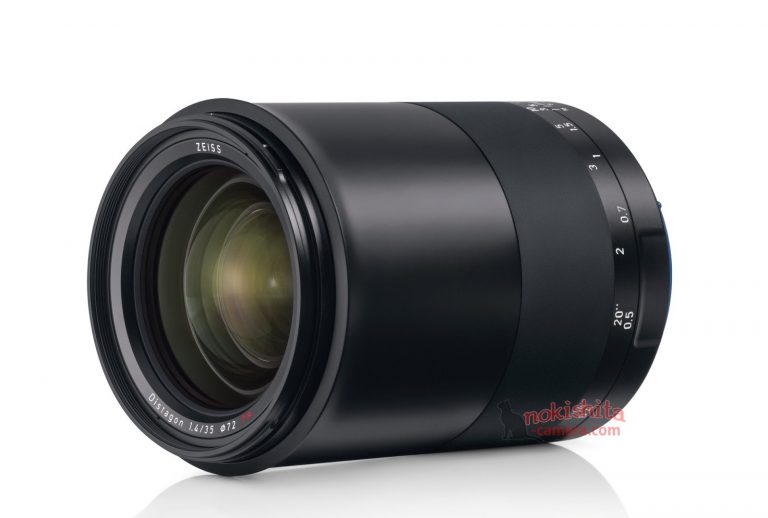
Best UV Filters for Zeiss Lenses
Investing in Zeiss glass means you’re chasing world-class micro-contrast and that legendary “pop.” But nothing kills the mood faster than seeing a scratch on your front element or realizing a cheap filter has introduced ghosting into your shots. To protect your Batis, Loxia, or Otus lenses without degrading image quality, you need a filter that matches their optical excellence. I’ve tested dozens of options, and while the Zeiss T* UV Filter is the natural synergy, there are a few surprising contenders that might suit your shooting style even better.
Our Top Picks at a Glance
Best UV Filters for Zeiss Lenses: Detailed Reviews
Zeiss T* UV Filter View on Amazon View on B&H
If you’ve already spent four figures on a Zeiss lens, it only makes sense to use the filter Zeiss designed specifically for their optics. The Zeiss T* UV filter uses the exact same anti-reflective coating technology found on their lens elements. In my experience, this is the only filter that truly maintains the “Zeiss Look” without adding even a hint of color cast or reducing that bitey micro-contrast. The rim is slim enough to prevent vignetting on wide-angle lenses like the Batis 18mm, yet it feels substantial and well-machined. While it doesn’t feature the “hardened” glass of some competitors, the optical purity is second to none. The only real downside is the price—it’s a premium product—but when you’re protecting a $1,500 investment, the peace of mind that comes from using a matching OEM component is well worth the extra few dollars.
Check Price on Amazon → Check Price on B&H
✓ Free Shipping · ✓ Easy Returns · ✓ Secure Checkout
Hoya HD3 UV View on Amazon View on B&H
The Hoya HD3 is widely regarded as one of the toughest filters on the market, making it an ideal companion for Zeiss lenses used in harsh environments. Featuring 32 layers of coating, it boasts a 99.7% light transmission rate, which is staggering for a filter at this price point. I’ve found the top-coat to be exceptionally oil and water-resistant; fingerprints wipe off with a simple microfiber cloth rather than requiring a dedicated cleaning solution. The chemically strengthened glass is designed to withstand significant impact, which gives me confidence when hiking or shooting in crowded areas where a stray elbow might bump the lens. It does have a very slight, almost imperceptible warmth compared to the Zeiss filter, but for the majority of photographers, this is negligible. It offers about 95% of the performance of a premium filter at a much more palatable price point.
Check Price on Amazon → Check Price on B&H
✓ Free Shipping · ✓ Easy Returns · ✓ Secure Checkout
Kenko Realpro UV View on Amazon View on B&H
It might feel counterintuitive to put a “budget” filter on a Zeiss lens, but Kenko (the parent company of Hoya) makes surprisingly high-quality glass. The Realpro series is manufactured in Japan and features a black alumite frame that reduces internal reflections. The standout feature here is the Stain Resistant Coating, which performs better than many filters twice its price when it comes to repelling moisture. While it doesn’t have the ultimate flare resistance of the Zeiss T* or the B+W XS-Pro, it holds its own in standard lighting conditions. You might notice a bit more ghosting when shooting directly into a sunset compared to higher-end options, but as a “protective cap” for daily use, it’s excellent. If you’ve tapped out your gear fund buying the lens itself, the Realpro is a safe, reliable stopgap that won’t ruin your images.
Check Price on Amazon → Check Price on B&H
✓ Free Shipping · ✓ Easy Returns · ✓ Secure Checkout
B+W XS-Pro MRC2 Nano UV View on Amazon View on B&H
B+W is the gold standard for many professionals, and the XS-Pro line is their masterpiece. Unlike most filters that use aluminum frames, B+W uses brass. Why does this matter? Brass is much less likely to “bind” or cross-thread onto your lens, especially after exposure to temperature changes. I’ve had aluminum filters get stuck on lenses in the cold, but never a B+W brass filter. The MRC2 (Multi-Resistant Coating) with Nano technology is incredibly effective at cutting through haze while being exceptionally easy to clean. Optically, it is virtually transparent. It’s slightly heavier than the Zeiss T* filter, but that weight translates to a feeling of indestructible quality. If you are a professional who changes filters frequently or works in varied climates, the mechanical superiority of the B+W brass mount makes it the smartest long-term investment for your Zeiss kit.
Check Price on Amazon → Check Price on B&H
✓ Free Shipping · ✓ Easy Returns · ✓ Secure Checkout
Breakthrough Photography X4 UV View on Amazon View on B&H
Breakthrough Photography is a newer player, but they have quickly gained a cult following for their X4 series. Using SCHOTT B270 glass (another legendary German brand), the X4 offers incredible clarity. What I love most about this filter is the traction-heavy texture on the frame. It’s incredibly easy to grip, even when wearing gloves, which is a small but brilliant design choice for field photographers. It is also one of the thinnest filters available, making it my go-to recommendation for the Zeiss 15mm or 18mm lenses where vignetting is a constant worry. They are so confident in the build that they offer a 25-year warranty. The only reason it isn’t “Best Overall” is that the frame can sometimes be so slim it’s hard to get a lens cap to stay securely attached, but for optical performance, it’s a top-tier contender.
Check Price on Amazon → Check Price on B&H
✓ Free Shipping · ✓ Easy Returns · ✓ Secure Checkout
Buying Guide: How to Choose UV Filters
Comparison Table
| Product | Best For | Rating | Price |
|---|---|---|---|
| Zeiss T* UV | OEM Synergy | ★★★★★ | Check |
| Hoya HD3 UV | Durability | ★★★★☆ | Check |
| Kenko Realpro | Budget | ★★★★☆ | Check |
| B+W XS-Pro | Professionals | ★★★★★ | Check |
| Breakthrough X4 | Wide Angles | ★★★★☆ | Check |
Frequently Asked Questions
Do UV filters actually protect Zeiss lenses?
Absolutely. While a filter might not save a lens from a six-foot drop onto concrete, it is the primary defense against scratches, sand, salt spray, and fingerprints. Replacing a $100 filter is much easier than sending a Zeiss lens back to Germany for a front-element replacement, which can cost hundreds of dollars and take weeks. It’s essentially an insurance policy for your glass.
Will a UV filter reduce my lens sharpness?
With high-end filters like the ones listed here, the impact on sharpness is virtually zero. However, cheap, non-coated filters can introduce “softness” by causing light to scatter before it hits the lens. If you use a Zeiss T* or a B+W XS-Pro, you’ll be hard-pressed to find any difference in side-by-side sharpness tests at 100% zoom.
What is the difference between UV and Protector filters?
Functionally, for digital cameras, they are very similar. Digital sensors already have UV filters built-in, so the “UV” part of the filter is mostly a holdover from the film days. Modern UV filters are primarily used for physical protection. Some brands sell “Protector” filters which have no UV-cutting properties at all, but they offer the same level of impact and scratch resistance.
Why are brass filters better than aluminum?
Brass is a “self-lubricating” metal compared to aluminum. Aluminum-on-aluminum (filter on lens thread) tends to bind or gall over time, especially if moisture gets into the threads. Brass rings are much smoother to screw on and off and are more resistant to deforming if the lens takes a minor bump. They are the hallmark of a premium filter.
Can I stack a CPL filter on top of my UV filter?
You can, but I don’t recommend it. Stacking two filters increases the distance between the front element and the glass, which significantly increases the risk of vignetting and internal reflections. If you need to use a Circular Polarizer (CPL), it’s best to remove the UV filter first, use the CPL, and then switch back when you’re finished.
Final Verdict
For the purest Zeiss experience, the Zeiss T* UV filter is the logical choice—it’s designed by the same engineers who built your lens. However, if you’re a rugged traveler, the Hoya HD3’s toughened glass offers a practical advantage. Professionals who demand mechanical reliability should look no further than the B+W XS-Pro. Whichever you choose, ensure you’re matching the quality of your filter to the quality of your glass to keep those images tack-sharp.