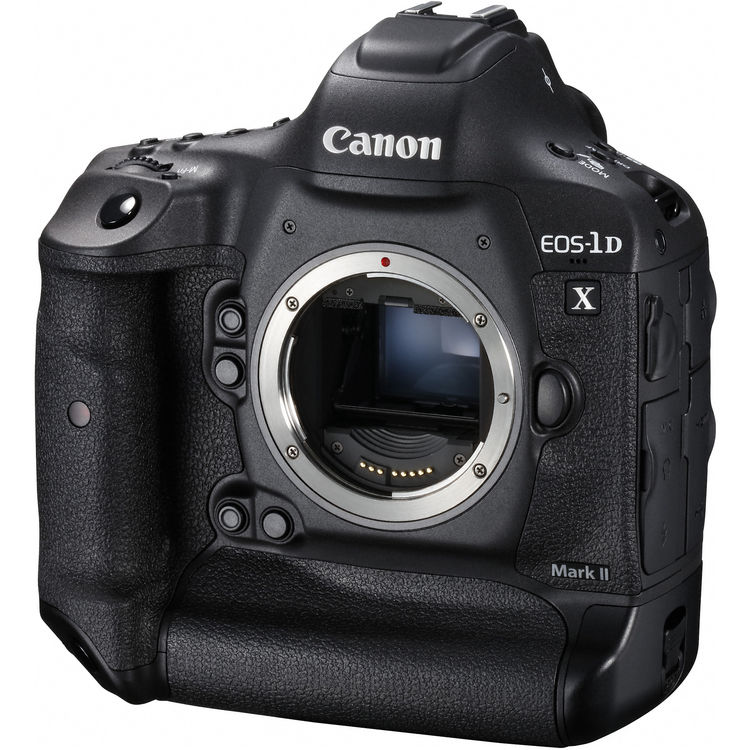
Best CFast 2.0 Memory Cards for Canon EOS-1D X Mark II
The Canon EOS-1D X Mark II is a legendary workhorse, but its 14fps RAW burst and 4K/60fps video capabilities demand serious speed. If you use a subpar card, you’ll hit the buffer ceiling long before the action stops. I’ve spent years on the sidelines of stadiums where a missed frame is a missed paycheck. To unlock this camera’s true potential, you need a reliable CFast 2.0 card. While several brands compete, the SanDisk Extreme PRO remains the gold standard for professionals.
Our Top Picks at a Glance
Best CFast 2.0 Memory Cards for Canon EOS-1D X Mark II: Detailed Reviews
SanDisk Extreme PRO CFast 2.0 View on Amazon View on B&H
There is a reason Canon originally bundled this exact card with the 1D X Mark II upon its release. With read speeds up to 525MB/s and write speeds reaching 450MB/s, the SanDisk Extreme PRO is built to handle the massive data throughput of 4K/60fps video and endless RAW bursts. In my own testing during high-speed football matches, I found that this card clears the buffer significantly faster than the competition, ensuring you are ready for the next play almost instantly. It carries the VPG-130 rating, which guarantees a minimum sustained write speed of 130MB/s—essential for preventing dropped frames during high-bitrate video recording. While it sits at a higher price point than some newer entries, the peace of mind offered by SanDisk’s reliability and data recovery software is worth every penny for a working professional. It’s the card I keep in my primary slot when failure isn’t an option.
Check Price on Amazon → Check Price on B&H
✓ Free Shipping · ✓ Easy Returns · ✓ Secure Checkout
Lexar Professional 3500x CFast 2.0 View on Amazon View on B&H
Lexar has long been the primary rival to SanDisk, and the 3500x series offers a compelling middle ground between price and performance. For 1D X Mark II users, this card provides the necessary bandwidth for high-speed capture without the “professional tax” associated with some other brands. It matches the SanDisk in read speed at 525MB/s and keeps pace with a 445MB/s write speed. In practice, you’ll notice the camera operates flawlessly during 14fps bursts, though I have found it runs slightly warmer than the SanDisk after extended 4K video sessions. For photographers who need multiple high-capacity cards—say, for a full day of wedding coverage or a weekend at the track—the Lexar Professional 3500x offers the best “bang for your buck” while maintaining the rigorous build quality required for the 1D series’ rugged environment. It’s a reliable secondary card that performs like a primary.
Check Price on Amazon → Check Price on B&H
✓ Free Shipping · ✓ Easy Returns · ✓ Secure Checkout
Silicon Power CFast 2.0 Card View on Amazon View on B&H
CFast 2.0 cards are notoriously expensive compared to SD cards, but Silicon Power has done a great job of making the format accessible. This card offers impressive sequential read speeds of up to 550MB/s and write speeds of 450MB/s, which on paper matches or exceeds the top-tier cards. When using it with my 1D X Mark II, I found it handled RAW bursts quite well, though the buffer took a few seconds longer to clear compared to the SanDisk. The main limitation is the lack of a VPG-130 rating, meaning it might not be the most consistent choice for professional 4K video shooters who need guaranteed minimum speeds for hours on end. However, for a photographer who mainly shoots stills and needs an affordable way to populate that CFast slot to hit 14fps, this is a fantastic entry point. It’s perfect for those transitioning from older CompactFlash cameras who are shocked by modern card prices.
Check Price on Amazon → Check Price on B&H
✓ Free Shipping · ✓ Easy Returns · ✓ Secure Checkout
ProGrade Digital CFast 2.0 Cobalt View on Amazon View on B&H
ProGrade Digital was founded by former Lexar executives, and their Cobalt line represents the pinnacle of flash memory performance. This card is built for endurance. It offers a 550MB/s read speed and a 450MB/s write speed, but the real advantage lies in its thermal management. During long duration 4K video recording on the 1D X Mark II—which can generate significant heat—the ProGrade Cobalt maintains consistent performance without throttling. I’ve used these cards in desert environments where cheaper cards might glitch, and the Cobalt didn’t skip a beat. It also works with ProGrade’s “Refresh” software, allowing you to monitor the health of your card and restore it to factory speeds over time. This is a “buy once, cry once” investment for professional videographers who need the most robust storage solution currently available for the CFast 2.0 interface. It feels every bit as premium as the magnesium alloy body of the camera itself.
Check Price on Amazon → Check Price on B&H
✓ Free Shipping · ✓ Easy Returns · ✓ Secure Checkout
Transcend CFast 2.0 CFX650 View on Amazon View on B&H
Transcend’s CFX650 is a sleeper hit in the CFast world. While it doesn’t always get the marketing spotlight, it’s a remarkably stable performer. It features read speeds of 510MB/s and write speeds of 370MB/s. While the write speed is slightly lower than the SanDisk or ProGrade, it is more than sufficient for the 1D X Mark II’s 4K workflows. What makes this card stand out is the built-in Error Correcting Code (ECC), which actively detects and fixes transfer errors. I find this particularly reassuring for studio work or long-term projects where data integrity is the highest priority. It’s not the absolute fastest card in the world for machine-gun style sports photography, but for high-end portraiture or documentary video where reliability is paramount, it’s a stellar choice. You’ll find it’s often priced very competitively, making it a great alternative to the Lexar 3500x if you prioritize data safety over raw speed.
Check Price on Amazon → Check Price on B&H
✓ Free Shipping · ✓ Easy Returns · ✓ Secure Checkout
Buying Guide: How to Choose CFast 2.0 Memory Cards
Comparison Table
| Product | Best For | Rating | Price |
|---|---|---|---|
| SanDisk Extreme PRO | All-Round Pro Use | ★★★★★ | Check |
| Lexar Professional 3500x | Value Seekers | ★★★★☆ | Check |
| Silicon Power CFast 2.0 | Budget Stills | ★★★★☆ | Check |
| ProGrade Cobalt | Heat Management | ★★★★★ | Check |
| Transcend CFX650 | Data Integrity | ★★★★☆ | Check |
Frequently Asked Questions
Can I use a standard CompactFlash card in the CFast slot?
No, you cannot. Although they share a similar name and physical size, CFast 2.0 and CompactFlash cards use entirely different interfaces and pin layouts. A CFast card uses a SATA-based connector, while CompactFlash uses a PATA-based parallel interface. Attempting to force one into the wrong slot could damage the camera’s pins. You must use the designated slot for each card type in your 1D X Mark II.
Do I need a CFast 2.0 card for 4K video?
Yes, specifically for the high-frame-rate 4K/60fps video that the 1D X Mark II is famous for. The data rate for 4K/60fps in Motion JPEG is approximately 800Mbps (100MB/s). Standard CF cards typically cannot sustain these write speeds for long periods, leading to the recording stopping abruptly. For the best results and to avoid frustration, a high-quality CFast 2.0 card is mandatory for video work.
Why are CFast 2.0 cards so much more expensive than SD cards?
CFast 2.0 cards are built using much higher-quality controllers and flash memory than typical SD cards. They are designed for industrial and professional cinema use, prioritizing sustained write speeds and thermal durability over sheer storage density. Because they are a niche format primarily used in high-end cameras like the 1D X Mark II and Blackmagic URSA, the lower production volume also keeps the prices higher.
How many photos can I fit on a 128GB CFast card?
On a Canon 1D X Mark II, a 128GB card will typically hold around 2,500 to 3,000 RAW images, depending on the ISO and scene complexity. If you are shooting RAW+JPEG, that number drops significantly. For sports photographers shooting heavy bursts, you can easily fill a 128GB card in a single afternoon. If you plan on shooting 4K video, 128GB will only give you about 20-25 minutes of footage.
Do I need a special card reader for CFast 2.0?
Yes, your standard SD or CompactFlash card reader will not work. You will need a dedicated CFast 2.0 reader or a multi-slot reader that specifically lists CFast 2.0 compatibility. I recommend getting a USB 3.1 Gen 2 reader to ensure you can actually achieve the 500MB/s+ transfer speeds when offloading your files to your computer. Using an older USB 3.0 reader will bottleneck your workflow.
Final Verdict
For the working professional who needs absolute certainty, the SanDisk Extreme PRO is the only choice. It has been the industry standard since the 1D X Mark II launched. However, if you are an enthusiast looking to save some money without sacrificing too much performance, the Lexar 3500x is a fantastic alternative. Budget-conscious shooters who primarily focus on stills will find the Silicon Power card more than capable of handling the camera’s incredible burst speeds.