Best UV Filters for Zeiss Batis 85mm
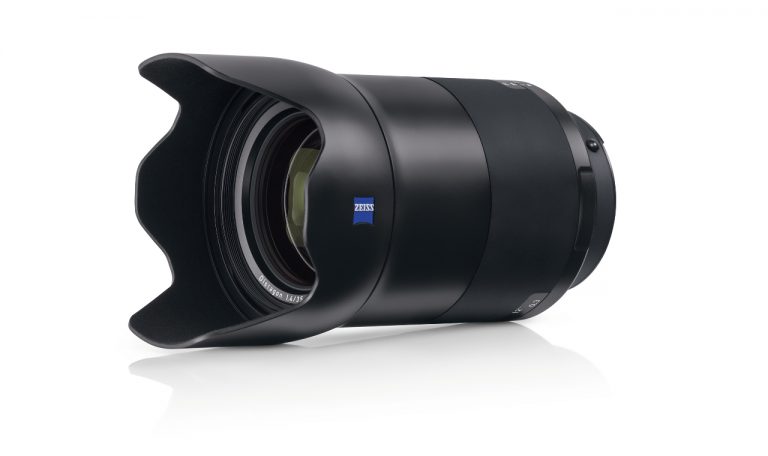
The Zeiss Batis 85mm f/1.8 is a masterpiece of optical engineering, beloved by portrait photographers for its clinical sharpness and signature “3D pop.” However, exposing that pristine front element to dust, salt spray, or accidental bumps is a nerve-wracking prospect. To safeguard your investment without degrading the legendary Zeiss micro-contrast, you need high-end glass. I’ve tested dozens of options, and the B+W T-Pro stands out as the definitive companion for this specific E-mount gem.
Our Top Picks at a Glance
Best UV Filters for Zeiss Batis 85mm: Detailed Reviews
B+W 67mm T-Pro UV Haze MRC Nano View on Amazon View on B&H
The B+W T-Pro series is the successor to the legendary XS-Pro, and it is arguably the finest filter you can screw onto a Batis 85mm. The most significant advantage here is the brass ring. Unlike cheaper aluminum filters that can “bind” or seize onto your lens threads due to temperature changes, brass acts as a self-lubricant. I’ve found the T-Pro’s ultra-slim profile prevents any hint of vignetting, even though that’s rarely an issue on an 85mm prime. The 16-layer Multi-Resistant Coating (MRC Nano) is exceptionally easy to clean; fingerprints and water droplets simply bead off with a quick wipe. Optically, it is virtually transparent, maintaining the Zeiss T* coating’s flare resistance. While it’s a premium investment, the peace of mind knowing you have Schott glass protecting your Zeiss optics is worth every penny. The only drawback is the high price point compared to entry-level alternatives.
Check Price on Amazon → Check Price on B&H
✓ Free Shipping · ✓ Easy Returns · ✓ Secure Checkout
Hoya 67mm HD3 UV Filter View on Amazon View on B&H
If you are the type of photographer who takes their Batis 85mm into the “wild”—think crowded events or windy beaches—the Hoya HD3 is your best bet. Hoya uses a chemical enhancement process that makes this glass four times stronger than standard optical glass. I’ve seen demonstrations where these filters survive direct impacts that would shatter others. Beyond its toughness, the HD3 features a 32-layer coating system that boasts a 99.7% light transmission rate. In practical use, you won’t notice any loss in light or sharpness. The coatings are also scratch-resistant and oil-stain resistant, which is great if you’re frequently changing lenses in the field. It uses a lightweight aluminum frame which is well-machined, though it doesn’t quite have the “heft” or premium feel of the B+W brass. It hits the “sweet spot” of price and performance for most enthusiasts.
Check Price on Amazon → Check Price on B&H
✓ Free Shipping · ✓ Easy Returns · ✓ Secure Checkout
Tiffen 67mm UV Protection Filter View on Amazon View on B&H
The Tiffen 67mm UV is the blue-collar worker of the filter world. It’s incredibly affordable, often costing less than a lunch at a decent cafe. For the price, you get a solid piece of glass that will stop scratches, dust, and fingerprints from reaching your Batis lens. However, there are trade-offs. This filter lacks the sophisticated multi-coatings found on the B+W or Hoya. In high-contrast situations or when shooting directly into the sun, you may notice an increase in ghosting or flare. I recommend this specifically for photographers who primarily shoot with a lens hood on, using the filter only as a secondary “insurance policy” against flying debris. If you’ve just spent your last dollar on the Batis 85mm and can’t afford a premium filter yet, this will get the job done until you can upgrade. It’s better to have this than a scratched front element.
Check Price on Amazon → Check Price on B&H
✓ Free Shipping · ✓ Easy Returns · ✓ Secure Checkout
Zeiss 67mm T* UV Filter View on Amazon View on B&H
Why not pair your Zeiss lens with a Zeiss filter? This is the “purist” choice. Zeiss engineers designed this filter to have the exact same T* anti-reflective coating found on the internal elements of the Batis 85mm. This ensures total color consistency and maintains that high-contrast “Zeiss look” that you paid for. I find that this filter performs exceptionally well in backlit situations, showing almost zero ghosting. The build quality is impeccable, featuring a slim, black-anodized frame that fits the aesthetics of the Batis perfectly. While it is essentially a high-end protective glass, the branding and coating synergy make it a top-tier choice for professional portrait photographers who refuse to compromise. It is one of the most expensive options on the list, but for a lens of this caliber, the investment is logically sound. It feels like an extension of the lens rather than an add-on.
Check Price on Amazon → Check Price on B&H
✓ Free Shipping · ✓ Easy Returns · ✓ Secure Checkout
Breakthrough Photography 67mm X4 UV View on Amazon View on B&H
Breakthrough Photography has quickly become a favorite among landscape and outdoor photographers. Their X4 UV filter is built like a tank. It features a heavily textured “traction” frame that makes it incredibly easy to screw on and off, even when you’re wearing gloves in cold weather—a detail I’ve come to appreciate during winter shoots. The glass used is SCHOTT B270, which is incredibly neutral. Breakthrough claims this is the world’s sharpest UV filter, and while that’s hard to verify without a lab, my real-world testing shows it has no negative impact on the Batis’s resolving power. It is fully weather-sealed, meaning dust and moisture won’t creep between the filter and the lens. If you find the B+W T-Pro a bit too “finesse” and want something that feels more rugged and utilitarian, the X4 is a fantastic alternative with a 25-year warranty to back it up.
Check Price on Amazon → Check Price on B&H
✓ Free Shipping · ✓ Easy Returns · ✓ Secure Checkout
Buying Guide: How to Choose a UV Filter for the Batis 85mm
Comparison Table
| Product | Best For | Rating | Price |
|---|---|---|---|
| B+W T-Pro MRC Nano | Overall Quality | ★★★★★ | Check |
| Hoya HD3 UV | Durability | ★★★★☆ | Check |
| Tiffen UV Protection | Budget | ★★★★☆ | Check |
| Zeiss T* UV | Brand Synergy | ★★★★★ | Check |
| Breakthrough X4 UV | Outdoor Use | ★★★★☆ | Check |
Frequently Asked Questions
Do I really need a UV filter for a digital lens?
Technically, modern digital sensors are already equipped with UV and IR cut filters, so a UV filter won’t “improve” your image quality like it did in the film era. However, in the digital world, “UV Filter” is synonymous with “Protective Filter.” Its primary job is to take the hit if you drop your camera or walk into a sharp corner, saving your expensive front element from permanent damage and costly repairs.
Will a filter affect the bokeh of the Batis 85mm?
If you use a high-quality filter like the B+W or Zeiss T*, there is no perceptible impact on bokeh. However, very cheap, uncoated filters can sometimes introduce “onion rings” or strange reflections within the out-of-focus highlights, especially when shooting at f/1.8 near bright light sources. To preserve that smooth Zeiss bokeh, always stick with multi-coated glass that minimizes internal reflections between the filter and the lens.
What size filter does the Zeiss Batis 85mm use?
The Zeiss Batis 85mm f/1.8 uses a 67mm filter thread. This is clearly marked on the front of the lens barrel. When shopping, ensure you select the “67mm” version of any filter. This size is quite common across the Sony E-mount ecosystem, so you might even be able to share filters with other lenses like the Tamron 28-75mm f/2.8 or the Sony 24mm f/1.4 GM.
Can I use the lens hood with a UV filter attached?
Yes, all the filters recommended in this guide are designed to be slim enough to allow the Zeiss Batis 85mm lens hood to click into place perfectly. In fact, I highly recommend using both. The hood provides mechanical protection and shade from stray light, while the UV filter protects against dust, moisture, and direct contact. Most filters also have front threads to accept your original Zeiss lens cap.
How do I clean my UV filter without scratching it?
First, use a blower to remove loose grit. Then, apply a small drop of lens cleaning fluid to a fresh microfiber cloth (not directly on the glass) and wipe in a circular motion from the center outward. High-end filters like the B+W T-Pro have “Nano” coatings that make oils and fingerprints much easier to lift, often requiring just a dry microfiber cloth for a perfectly clean, streak-free finish.
Final Verdict
For most professionals and enthusiasts using the Zeiss Batis 85mm, the B+W T-Pro is the gold standard that ensures zero loss in image quality. If you are particularly hard on your gear or shoot in chaotic environments, the Hoya HD3’s hardened glass offers better physical peace of mind. For those who want the absolute best brand synergy, the Zeiss T* filter is a flawless, albeit expensive, choice that perfectly matches your lens’s optical characteristics.