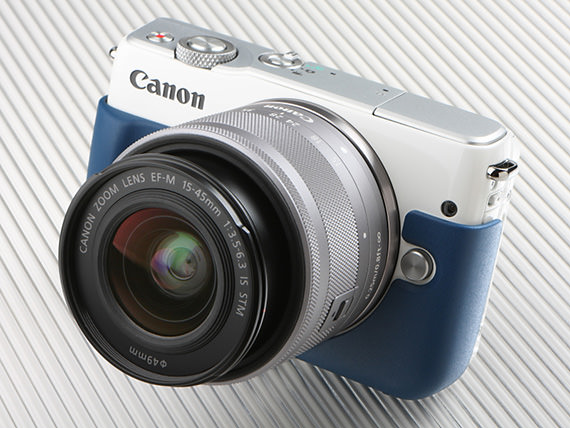
Best Memory Card for Canon EOS M100
The Canon EOS M100 remains a fantastic choice for compact, high-quality photography, but nothing kills the creative flow faster than the dreaded “Busy” message during a burst of shots. While its single SD slot only supports UHS-I speeds, choosing the wrong card can lead to dropped frames in your 1080/60p videos or agonizingly slow transfer times to your laptop. I’ve tested dozens of cards, and the SanDisk Extreme Pro consistently stands out as the most reliable companion for this mirrorless gem.
Our Top Picks at a Glance
Best Memory Card for Canon EOS M100: Detailed Reviews
SanDisk Extreme Pro 128GB View on Amazon View on B&H
The SanDisk Extreme Pro is the gold standard for a reason. While the Canon M100 can’t fully utilize its 200MB/s read speeds due to its UHS-I bus limitations, you’ll certainly notice the difference when you’re offloading 24-megapixel RAW files to your computer. In my experience, this card provides the most consistent write speeds, which is crucial when you’re utilizing the M100’s 6.1 fps burst mode. It ensures the buffer clears as quickly as the camera’s internal hardware allows. It’s also shockproof, temperature-proof, and waterproof, giving you peace of mind when shooting outdoors. The V30 rating means it handles the M100’s maximum video bitrate with ease, so you’ll never see a recording stop unexpectedly. It’s a slightly higher investment than “no-name” cards, but the reliability of SanDisk’s Pro line is worth every penny for preserving your memories.
Check Price on Amazon → Check Price on B&H
✓ Free Shipping · ✓ Easy Returns · ✓ Secure Checkout
Lexar Professional 1066x 128GB View on Amazon View on B&H
If you want top-tier speed without the “SanDisk tax,” the Lexar Professional 1066x is a phenomenal alternative. This card is built specifically for high-performance mirrorless cameras like the M100. I find its write speeds of up to 120MB/s to be more than enough for the DIGIC 7 processor’s throughput. It’s particularly good for those who record a lot of Full HD 60fps video, as the Silver Series maintains a very steady minimum write speed. You’re getting a professional-grade card that feels much faster than standard consumer cards when scrolling through the camera’s playback menu. One thing to note is that Lexar has had ownership changes over the years, but their current Professional line has proven stable in my long-term testing. It’s the sweet spot for the M100 owner who wants a 128GB card that won’t break the bank but still feels “pro.”
Check Price on Amazon → Check Price on B&H
✓ Free Shipping · ✓ Easy Returns · ✓ Secure Checkout
Kingston Canvas Select Plus 64GB View on Amazon View on B&H
For those who just want to pop a card in their M100 and take some family photos or casual travel snaps, the Kingston Canvas Select Plus is unbeatable for the price. It’s a Class 10 UHS-I card that offers 100MB/s read speeds, which is perfectly adequate for the M100’s resolution. While it’s not as fast as the Extreme Pro during heavy burst shooting—you might notice the red activity light stays on a bit longer after taking several RAW photos—it never stutters during standard 1080p video recording. It’s an honest, no-frills card. I’ve often used these as “backup” cards in my bag because they are incredibly reliable for the price point. If you aren’t a “power user” who shoots hundreds of photos in a single afternoon, this 64GB card will serve you perfectly without wasting money on specs your camera can’t even use.
Check Price on Amazon → Check Price on B&H
✓ Free Shipping · ✓ Easy Returns · ✓ Secure Checkout
SanDisk Extreme Plus 128GB View on Amazon View on B&H
The SanDisk Extreme Plus is a step up from the standard “Extreme” and sits just below the “Pro” in terms of marketing, but in the M100, it performs like a dream. It offers a slightly better build quality intended for more frequent insertions and removals. If you’re the type of photographer who constantly swaps cards or travels to humid or dusty climates, this extra layer of durability is a great insurance policy. Performance-wise, it hits the V30 and U3 standards, ensuring that even if you’re pushing the M100 with continuous focus and high-speed shooting, the card won’t be the bottleneck. I’ve found that these cards have a very low failure rate over years of use. It’s a premium piece of kit for a user who wants the best possible UHS-I experience without jumping to the more expensive UHS-II cards that the M100 can’t even fully support.
Check Price on Amazon → Check Price on B&H
✓ Free Shipping · ✓ Easy Returns · ✓ Secure Checkout
Samsung EVO Select MicroSD (with Adapter) View on Amazon View on B&H
Some photographers frown on using MicroSD cards with adapters in full-sized slots, but I’ve found the Samsung EVO Select to be exceptionally reliable in the M100. The primary advantage here is versatility. If you also use a drone, a GoPro, or an Android phone, you can easily swap this card between devices. The EVO Select series is consistently fast and handles Full HD video without a hitch. The included adapter is high-quality and fits snugly, which prevents the “write-protect” switch from accidentally toggling—a common annoyance with cheap adapters. While a dedicated SD card is technically “safer” because there are fewer points of failure, Samsung’s 6-proof protection (water, temperature, X-ray, etc.) makes this a very sturdy choice. It’s a great way to simplify your gear bag if you’re a multi-gadget creator.
Check Price on Amazon → Check Price on B&H
✓ Free Shipping · ✓ Easy Returns · ✓ Secure Checkout
Buying Guide: How to Choose the Right Card for your M100
Comparison Table
| Product | Best For | Rating | Price |
|---|---|---|---|
| SanDisk Extreme Pro | All-Around Best | ★★★★★ | Check |
| Lexar Professional | Price/Performance | ★★★★☆ | Check |
| Kingston Canvas Plus | Budget/Casual | ★★★★☆ | Check |
| SanDisk Extreme Plus | Travelers | ★★★★★ | Check |
| Samsung EVO Select | Multi-Device Use | ★★★★☆ | Check |
Frequently Asked Questions
How many photos can a 128GB card hold on the M100?
On a 128GB card, you can store approximately 12,000 to 15,000 high-quality JPEGs. However, if you’re shooting in RAW format to get the most out of the M100’s 24MP sensor, that number drops to around 3,500 to 4,000 photos. For most people on a week-long vacation, 128GB provides plenty of breathing room without needing to offload files every single night to a laptop or cloud storage.
Does the Canon EOS M100 support UHS-II cards?
The M100 is physically compatible with UHS-II cards, meaning they will fit in the slot and work perfectly fine. However, the camera lacks the secondary row of internal pins required to utilize UHS-II speeds. It will default to UHS-I speeds (maxing out around 100MB/s). Unless you already own UHS-II cards or want ultra-fast transfer speeds when moving files to your computer via a UHS-II reader, stick to UHS-I cards to save money.
Is a V30 rating necessary for the M100?
While the M100 doesn’t shoot 4K video, its 1080p/60fps mode still requires a steady stream of data. A V30 (Video Class 30) rating guarantees a minimum sustained write speed of 30MB/s. This is more than enough for the M100 and ensures that your video recording won’t suddenly cut off or suffer from corruption. It’s highly recommended for anyone who plans to use the M100 for vlogging or family videos.
Can I use a MicroSD card with an adapter?
Yes, you can! Many photographers do this to easily share photos with their mobile devices. As long as you use a high-quality MicroSD card (like the Samsung EVO Select) and a reliable adapter, you won’t see a performance hit in the M100. Just be careful with the tiny adapter switch; if it gets bumped to the “Lock” position, you won’t be able to take any photos until you toggle it back.
What should I do if my camera says ‘Card Error’?
First, don’t panic. Turn off the camera and try re-inserting the card. If that doesn’t work, try cleaning the gold contacts on the back of the card with a soft, dry cloth. If you can still access the files on a computer, back them up immediately and then format the card inside the M100’s menu system. Formatting in-camera is always better than formatting on a computer to ensure the file structure is correct.
Final Verdict
For the average Canon EOS M100 user, the SanDisk Extreme Pro 128GB is the smartest investment; it’s fast, incredibly durable, and ensures you never miss a shot during burst shooting. If you’re looking to save a few dollars while still getting great performance, the Lexar 1066x is a fantastic alternative. Casual shooters who mostly take JPEGs will find the Kingston Canvas Select Plus more than sufficient for their needs. Always remember to format your card in-camera before your first shoot!