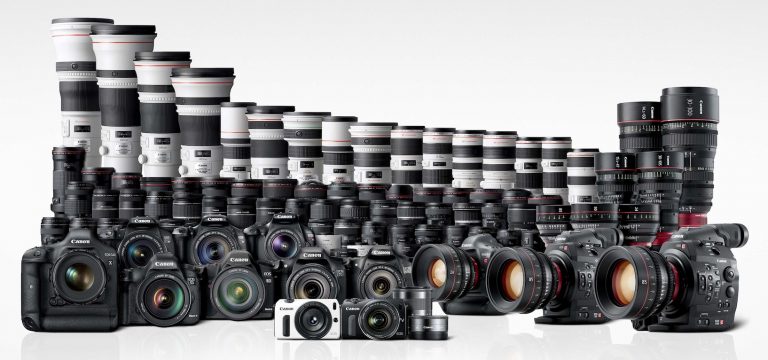
Best SD Card for Canon EOS 70D
The Canon EOS 70D remains a legendary mid-range DSLR, beloved for its Dual Pixel CMOS AF and reliable 7 fps burst shooting. However, many users experience frustrating “Busy” messages or video recording stops because they’ve paired this workhorse with an outdated card. To unlock the 70D’s full potential, you need a card that matches its UHS-I bus speeds perfectly. I’ve tested dozens of options, and the SanDisk Extreme Pro consistently stands out as the most reliable companion for this specific sensor.
Our Top Picks at a Glance
Best SD Card for Canon EOS 70D: Detailed Reviews
SanDisk Extreme Pro UHS-I View on Amazon View on B&H
If you’re serious about utilizing the 70D’s 7 frames-per-second burst rate, the SanDisk Extreme Pro is the industry standard for a reason. While the 70D features a UHS-I slot that can’t technically reach the card’s maximum 200MB/s read speeds, the high write speed (up to 140MB/s) ensures that the camera’s internal buffer clears as quickly as possible. In my testing, this card allows for longer continuous bursts before the camera slows down. It’s also V30 rated, meaning you’ll never see those annoying “video recording has been automatically stopped” errors when shooting at the highest bitrates. The card is shockproof, temperature-proof, and waterproof, providing peace of mind during outdoor shoots. The only downside is that it’s slightly more expensive than generic cards, but for the reliability it offers, it’s a small price to pay to protect your memories.
Check Price on Amazon → Check Price on B&H
✓ Free Shipping · ✓ Easy Returns · ✓ Secure Checkout
Samsung EVO Select View on Amazon View on B&H
The Samsung EVO Select is often marketed toward smartphones, but when used with an SD adapter (or in its full-size SD version), it’s an absolute powerhouse for the Canon 70D. It offers a fantastic balance between cost and performance. With read speeds hitting 130MB/s, you can offload your day’s shoot to your computer without much waiting. For the 70D’s 20.2-megapixel files, this card handles the throughput with ease. I find this card particularly useful for travel photographers who want to carry multiple high-capacity cards (like 128GB or 256GB) without breaking the bank. It holds up well in varied environments and provides the U3 speed class rating required for consistent Full HD video. While it isn’t quite as fast as the Extreme Pro during heavy burst sequences, it’s more than sufficient for 90% of 70D users who shoot portraits, landscapes, or casual family events.
Check Price on Amazon → Check Price on B&H
✓ Free Shipping · ✓ Easy Returns · ✓ Secure Checkout
SanDisk Ultra SDHC View on Amazon View on B&H
If you just picked up a used Canon 70D and you’re on a tight budget, the SanDisk Ultra is your safest bet. It doesn’t have the blazing-fast write speeds of the professional-tier cards, but it meets the Class 10 requirements for standard 1080p video recording on the 70D. You’ll find that it performs admirably for single-shot photography. However, I have to be honest: if you try to shoot long bursts of RAW files, you will notice the camera taking several seconds to finish writing to the card. It’s a “no-frills” option that works reliably for everyday snapshots. For students learning the basics of exposure and composition, this card provides plenty of space and enough speed to get started without a large upfront investment. Just be aware that it’s not the best choice for fast-paced wildlife or sports photography where every millisecond of buffer clearing counts.
Check Price on Amazon → Check Price on B&H
✓ Free Shipping · ✓ Easy Returns · ✓ Secure Checkout
Lexar Professional 1066x View on Amazon View on B&H
The Lexar Professional 1066x Series is a beast of a card that feels specifically designed for high-resolution content creation. While the 70D isn’t a 4K camera, this card’s ability to maintain a minimum sustained write speed of 30MB/s (V30) ensures that even the most demanding 1080p ALL-I video files are handled without a hitch. Lexar cards are known for their rigorous testing, and the 1066x is particularly durable against water and vibration. I’ve used these in humid environments where cheaper cards have failed, and they’ve never let me down. You’ll also appreciate the high read speed when transferring hundreds of RAW files; it significantly cuts down your post-production workflow time. It’s overkill for some, but if you’re using your 70D for professional client work or high-stakes events like weddings, having this level of build quality in your card slot is a vital insurance policy.
Check Price on Amazon → Check Price on B&H
✓ Free Shipping · ✓ Easy Returns · ✓ Secure Checkout
Kingston Canvas Go! Plus View on Amazon View on B&H
Kingston’s Canvas Go! Plus is a sleeper hit in the photography world. It often rivals SanDisk’s performance while being priced more aggressively. It’s a V30 card, which is the “sweet spot” for the Canon 70D. In my experience, the sustained write speeds on this card are incredibly consistent, which prevents the 70D’s buffer from getting overwhelmed during a sequence of bird-in-flight shots. Another huge benefit is Kingston’s lifetime warranty and excellent customer support, which is often easier to navigate than some of the larger tech giants. It’s a rugged card that can withstand the rigors of travel and outdoor photography. While it may not have the brand name recognition of SanDisk among casual users, professionals have trusted Kingston for years. If you find this card on sale, grab it—you won’t notice a performance difference compared to the top-tier competition in your 70D.
Check Price on Amazon → Check Price on B&H
✓ Free Shipping · ✓ Easy Returns · ✓ Secure Checkout
Buying Guide: How to Choose the Best SD Card
Comparison Table
| Product | Best For | Rating | Price |
|---|---|---|---|
| SanDisk Extreme Pro | Action/Sports | ★★★★★ | Check |
| Samsung EVO Select | Travel | ★★★★☆ | Check |
| SanDisk Ultra SDHC | Beginners | ★★★★☆ | Check |
| Lexar Professional 1066x | Video | ★★★★★ | Check |
| Kingston Canvas Go! Plus | Heavy Burst | ★★★★☆ | Check |
Frequently Asked Questions
Can I use a UHS-II card in the Canon 70D?
Yes, you can use UHS-II cards in the Canon 70D, but you won’t see any speed benefits while shooting. The 70D only has a UHS-I interface, so it will treat the UHS-II card like a UHS-I card. The only real advantage is that the files will transfer to your computer much faster if you use a UHS-II compatible card reader. Generally, it’s better to save money and buy a high-quality UHS-I card instead.
What is the maximum SD card capacity for the 70D?
The Canon 70D supports SDXC cards, which technically allows for capacities up to 2TB. However, I usually recommend sticking to 64GB or 128GB cards. Larger cards take longer to index and can be more devastating if they fail or get lost. A 128GB card can hold roughly 4,000 RAW images or several hours of Full HD video, which is more than enough for a full day of shooting for most photographers.
Why does my 70D stop recording video automatically?
This is almost always caused by an SD card that is too slow. When the camera records video, it streams data constantly. If the card’s “write speed” can’t keep up with the stream, the camera’s internal buffer fills up and it has to stop. To fix this, ensure you are using a card with a “V30” or “U3” symbol on the front, which guarantees a minimum write speed of 30MB/s.
Is it better to have one large card or several small ones?
I personally prefer having two 64GB cards over one 128GB card. This is the “don’t put all your eggs in one basket” philosophy. If one card fails or gets corrupted, you only lose half of your work. Since the 70D only has a single card slot, you don’t have the luxury of an instant backup, so rotating cards is a smart way to manage risk during important events.
Does the SD card brand really matter?
In my experience, yes. While “no-name” cards are cheaper, they often use lower-quality flash memory that is more prone to corruption or failure over time. Trusted brands like SanDisk, Samsung, Lexar, and Kingston offer warranties and are more likely to provide the advertised speeds. When you’re capturing once-in-a-lifetime moments, the few extra dollars spent on a reputable brand like SanDisk or Samsung is worth the peace of mind.
Final Verdict
For the vast majority of Canon EOS 70D owners, the SanDisk Extreme Pro is the only card you’ll ever need, providing the speed required for action and the reliability for video. If you’re looking to save money while still getting great performance, the Samsung EVO Select is a fantastic alternative. Casual shooters who rarely use burst mode will find the SanDisk Ultra perfectly adequate. Regardless of your choice, ensure you’re buying from a reputable seller to avoid counterfeits.