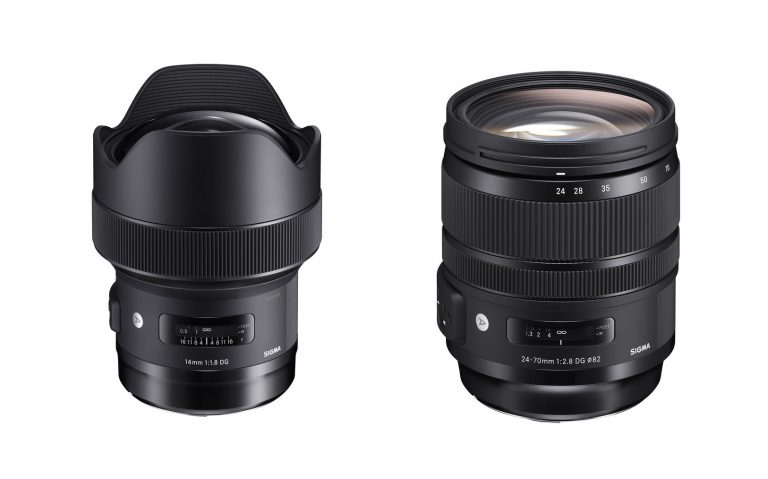
Best UV Filter for Sigma 24-70mm f/2.8 DG DN Art
The Sigma 24-70mm f/2.8 DG DN Art is a masterpiece of optical engineering, but its massive 82mm front element is a magnet for dust and fingerprints. After years of testing glass on high-resolution sensors, I’ve seen how a cheap filter can ruin the “Art” series’ legendary sharpness. You need a filter that offers protection without introducing ghosting or chromatic aberration. My top pick, the Hoya HD3, balances extreme durability with nearly perfect light transmission for this specific lens.
Our Top Picks at a Glance
Best UV Filter for Sigma 24-70mm f/2.8 DG DN Art: Detailed Reviews
Hoya HD3 UV View on Amazon View on B&H
The Hoya HD3 is my “set it and forget it” recommendation for the Sigma 24-70mm Art. This lens is heavy, and accidents happen; the HD3 features chemically strengthened glass that is four times stronger than standard optical glass. Beyond protection, it boasts a 32-layer multi-coating that results in a 99.7% light transmission rate. When shooting into the sun at 24mm, you won’t notice the extra flare that cheaper filters often introduce. I’ve found the nano-coating to be particularly effective at shedding water and oil, which is a lifesaver when you’re cleaning off sea spray or fingerprints in the field. The low-profile aluminum frame is thin enough to prevent vignetting even at the widest focal length. It’s a premium investment, but putting anything less on an Art-series lens feels like a disservice to the optics.
Check Price on Amazon → Check Price on B&H
✓ Free Shipping · ✓ Easy Returns · ✓ Secure Checkout
B+W 82mm Master UV-Haze MRC Nano View on Amazon View on B&H
B+W filters are legendary for a reason, and the “Master” line is their best iteration yet. The standout feature here is the brass frame. Unlike aluminum rings, which can “gall” or seize onto your lens threads in cold weather, brass expands and contracts at a similar rate to the lens barrel, making it easy to remove. The MRC Nano coating is incredibly slick; I’ve noticed that dust barely clings to it, and a quick puff of air is usually all you need for maintenance. On the Sigma 24-70mm, this filter maintains the razor-sharp micro-contrast the lens is known for. While it’s slightly more expensive than some consumer options, the build quality ensures it will likely outlast the lens itself. It’s a professional-grade tool that offers the perfect intersection of price, optical purity, and mechanical reliability.
Check Price on Amazon → Check Price on B&H
✓ Free Shipping · ✓ Easy Returns · ✓ Secure Checkout
K&F Concept 82mm Nano-X UV View on Amazon View on B&H
If you’ve just spent your entire budget on the Sigma 24-70mm Art, the K&F Concept Nano-X is a surprisingly capable stopgap. For a fraction of the price of the big names, you get 28 layers of coating that do a respectable job of suppressing internal reflections. In my testing, while it doesn’t quite match the HD3 in extreme backlit situations, it performs far better than the “no-name” filters found in bargain bins. The frame is made of aviation-grade aluminum and is remarkably slim, ensuring no dark corners appear at 24mm. The glass is imported Japanese AGC glass, which is a step above standard window-grade glass. The only real trade-off is that the coatings aren’t quite as durable over the long term; you’ll need to be more careful with your cleaning cloth to avoid hairline scratches. It’s the best “cheap” filter that won’t compromise your image quality.
Check Price on Amazon → Check Price on B&H
✓ Free Shipping · ✓ Easy Returns · ✓ Secure Checkout
Breakthrough Photography X4 UV View on Amazon View on B&H
The X4 UV by Breakthrough Photography is widely considered the most color-neutral filter on the market. Using SCHOTT B270 glass, it achieves a transmission curve that is nearly flat across the visible spectrum. What I love most about the X4 is the “traction” frame—the edges are deeply knurled, making it incredibly easy to grip and remove even if you’re wearing gloves in a cold landscape environment. It feels rugged and purposeful. It’s also backed by a 25-year warranty, which is almost unheard of in the industry. For the Sigma 24-70mm Art, which can resolve massive amounts of detail on 60MP+ sensors, this filter ensures that no resolution is lost to poor glass. It is expensive, often twice the price of the K&F, but for the pro who demands zero compromise and a filter that’s easy to handle in the field, it’s the gold standard.
Check Price on Amazon → Check Price on B&H
✓ Free Shipping · ✓ Easy Returns · ✓ Secure Checkout
Marumi 82mm EXUS Lens Protect View on Amazon View on B&H
The Marumi EXUS Solid is a hidden gem in the filter world. While Hoya and B+W get all the headlines, Marumi’s EXUS line features an antistatic coating that is genuinely impressive. If you find yourself shooting in dry, dusty environments (think desert photography or music festivals), you’ll notice that dust simply doesn’t want to stick to this glass. The glass itself is also exceptionally flat and hardened for impact resistance. On the Sigma 24-70mm, the EXUS maintains perfect color balance and doesn’t introduce any noticeable ghosting when shooting city lights at night. The frame is slightly thicker than the Hoya but still well within the “slim” category to avoid vignetting at 24mm. It’s a fantastic alternative if you want high-end Japanese glass and are tired of constantly fighting with a static-charged filter that attracts every speck of lint in your camera bag.
Check Price on Amazon → Check Price on B&H
✓ Free Shipping · ✓ Easy Returns · ✓ Secure Checkout
Buying Guide: How to Choose a UV Filter for Your Sigma Art Lens
Comparison Table
| Product | Best For | Rating | Price |
|---|---|---|---|
| Hoya HD3 UV | All-Around Protection | ★★★★★ | Check |
| B+W Master MRC Nano | Mechanical Reliability | ★★★★★ | Check |
| K&F Nano-X | Budget Value | ★★★★☆ | Check |
| Breakthrough X4 | Color Neutrality | ★★★★★ | Check |
| Marumi EXUS | Dusty Conditions | ★★★★☆ | Check |
Frequently Asked Questions
Will an 82mm UV filter cause vignetting on the Sigma 24-70mm?
Generally, no, provided you choose a “slim” or “low-profile” filter. Most modern high-end filters (like the ones on this list) are designed with thin aluminum or brass frames specifically to prevent clipping the corners of the image at 24mm. However, if you stack a UV filter on top of a Polarizer, you will almost certainly see vignetting. Stick to one filter at a time.
Does a UV filter actually protect the lens from drops?
It’s a point of debate, but high-quality filters like the Hoya HD3 use chemically toughened glass that can absorb a significant impact. In many cases, the filter glass will shatter instead of your expensive front element. While it’s not a guarantee, it’s a relatively cheap insurance policy compared to the $400+ cost of a front-element repair at a Sigma service center.
Will a UV filter affect the autofocus speed of my Sigma lens?
No, a UV filter is optically neutral and does not change the way light reaches the phase-detection sensors on your camera. As long as the filter is clean and of high quality, your autofocus will perform exactly as it would without the filter. Cheap, uncoated filters might cause hunting in extreme low light due to internal reflections, but high-end glass won’t affect performance.
Is there a difference between “UV” and “Protector” filters?
In the digital age, yes and no. Digital sensors already have UV-cut filters over them, so the “UV” filtration of the glass is mostly redundant. A “Protector” filter is just clear glass with no UV properties. However, most high-end brands use UV glass as their standard protection offering. For the Sigma 24-70mm Art, either a UV or a dedicated Protector filter will work perfectly.
How often should I clean my UV filter?
You should only clean it when necessary. Every time you wipe the glass, you risk introducing tiny micro-scratches. Use a rocket blower first to remove loose grit, then a clean microfiber cloth with a drop of lens solution if there are oily smudges. Filters with “Nano” coatings (like B+W or Hoya HD3) are much easier to clean and require less pressure to remove fingerprints.
Final Verdict
For most Sigma 24-70mm f/2.8 Art owners, the Hoya HD3 is the smartest choice because it offers genuine physical protection without degrading the lens’s elite sharpness. If you frequently shoot in harsh weather or freezing temperatures, the B+W Master’s brass ring is worth the extra cost to avoid sticking. For those on a strict budget, the K&F Nano-X provides surprisingly clean results, while the Breakthrough X4 remains the ultimate choice for color-critical professional work.